

Robotics and Automation Degrees in Sri Lanka
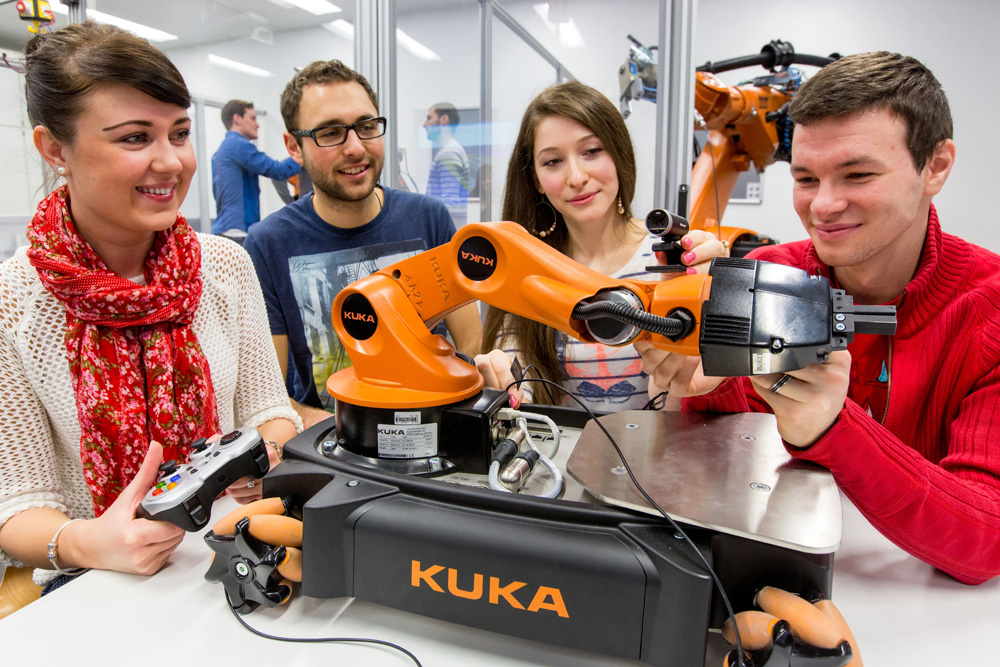
Robotics and Automation Degrees in Sri Lanka
Understanding Robotics and Automation Degrees
Robotics and Automation degrees in Sri Lanka offer students an opportunity to delve into the cutting-edge fields of robotics, artificial intelligence, and automation. These programs equip individuals with the knowledge and skills needed to design, develop, and implement robotic systems and automated solutions across various industries.
Why Pursue Robotics and Automation Degrees?
Career Opportunities
Pursuing a degree in Robotics and Automation opens up a myriad of career opportunities. With industries increasingly adopting automation to enhance efficiency and productivity, there is a growing demand for skilled professionals in Sri Lanka and abroad. Graduates can explore diverse roles in sectors such as manufacturing, healthcare, agriculture, logistics, and more.
Technological Advancements
The field of Robotics and Automation is constantly evolving, driven by rapid technological advancements. By pursuing a degree in this field, students have the opportunity to stay at the forefront of innovation and contribute to groundbreaking developments in robotics, artificial intelligence, machine learning, and automation technologies.
Industry Demand
There is a significant demand for professionals with expertise in Robotics and Automation. Industries are seeking individuals who can design and implement robotic systems, automate processes, optimize workflows, and enhance overall efficiency. As such, graduates with Robotics and Automation degrees are highly sought after by employers in Sri Lanka and globally.
Admission Process
Eligibility Criteria
To gain admission into Robotics and Automation programs in Sri Lanka, students typically need to meet certain eligibility criteria, including educational qualifications and entrance examination scores. Requirements may vary depending on the institution and program.
Application Procedure
The application process for Robotics and Automation degrees involves submitting an application form along with required documents, such as academic transcripts, certificates, and proof of identity. Applicants may also need to pay an application fee and undergo an interview or entrance examination.
Entrance Examinations
Many institutions conduct entrance examinations to assess the aptitude and academic readiness of prospective students. These exams may cover topics such as mathematics, physics, and engineering concepts. Preparation is key to performing well in these examinations and securing admission into Robotics and Automation programs.
Curriculum Overview
Core Subjects
The curriculum of Robotics and Automation degrees typically covers a range of core subjects, including robotics fundamentals, automation systems, computer vision, artificial intelligence, control systems, mechatronics, and more. These subjects provide students with a strong foundation in both theoretical knowledge and practical skills.
Elective Courses
In addition to core subjects, students may have the opportunity to choose elective courses based on their interests and career goals. Elective courses may cover specialized topics such as autonomous systems, robotics engineering, human-robot interaction, industrial automation, and robotics programming.
Practical Training
Hands-on experience is an integral part of Robotics and Automation degrees. Students have access to state-of-the-art laboratories and facilities where they can design, build, and test robotic systems and automation solutions. Practical training allows students to apply theoretical concepts in real-world scenarios and gain valuable industry experience.
Faculty and Resources
Expert Faculty
Robotics and Automation programs are taught by experienced faculty members who are experts in their respective fields. These instructors bring industry knowledge and academic expertise to the classroom, providing students with valuable insights and guidance throughout their academic journey.
State-of-the-Art Facilities
Students enrolled in Robotics and Automation programs have access to advanced laboratories, workshops, and research facilities equipped with the latest robotics and automation technologies. These facilities provide students with the opportunity to conduct experiments, research projects, and practical activities under the guidance of faculty members.
Student Life
Extracurricular Activities
Beyond academics, students have the opportunity to participate in various extracurricular activities, clubs, and organizations related to robotics, automation, and engineering. These activities promote holistic development, foster teamwork and leadership skills, and provide networking opportunities with industry professionals.
Student Support Services
Universities and colleges offering Robotics and Automation degrees provide comprehensive student support services to assist students in their academic and personal growth. These services may include academic advising, counseling, career guidance, and assistance with internships and placements.
Internship and Career Opportunities
Industry Collaborations
Robotics and Automation programs often collaborate with leading companies and organizations in Sri Lanka and abroad to provide students with internship and placement opportunities. These collaborations enable students to gain hands-on experience, build professional networks, and enhance their employability.
Career Guidance
Throughout their academic journey, students receive guidance and support from faculty members and career advisors to help them identify and pursue career opportunities in robotics and automation fields. Career guidance may include resume writing workshops, mock interviews, job fairs, and industry-specific seminars.
Alumni Success Stories
Notable Alumni
Robotics and Automation programs boast a diverse community of alumni who have achieved success in various industries and domains. These alumni serve as inspiration for current students and demonstrate the potential career paths and opportunities available to graduates of Robotics and Automation degrees.
Career Paths
Graduates of Robotics and Automation degrees pursue diverse career paths in industries such as robotics engineering, automation consulting, research and development, industrial automation, autonomous systems, artificial intelligence, and more. With their specialized skills and knowledge, they contribute to innovation and technological advancement across sectors.
Conclusion
Empowering Future Technologists
Robotics and Automation degrees play a crucial role in shaping the future of Sri Lanka's technology landscape. By equipping students with the knowledge, skills, and experience needed to thrive in the field of robotics and automation, these programs empower future technologists to make significant contributions to society and drive positive change through innovation.


